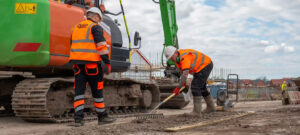
The success and longevity of any construction project depend entirely on the strength of its foundation. Whether you are planning a residential home extension, a new commercial building, or a complete outdoor garden transformation, the initial phase of preparation dictates how well the structure will stand against time and environmental stress. This initial phase is known as groundworks, and it represents the most critical engineering step in the entire building process.
Skipping proper site preparation or hiring unqualified teams introduces immense structural risks, including uneven settling, moisture penetration, and underground utility damage. For property owners looking to invest in new developments, understanding the logistical, technical, and regulatory realities of sub-surface preparation is essential. Partnering with a skilled contractor ensures your investment is built on a stable, safe, and fully compliant foundation from day one.
The Engineering Realities of Site Preparation and Ground Failure
Many people view earthmoving as simple labor, but modern groundworks involve complex civil engineering that requires a deep understanding of soil mechanics and hydraulics. Industry data highlights the heavy financial penalties that occur when sub-surface preparation is neglected. Studies compiled by the British Geotechnical Association (BGA) indicate that over 40% of structural failures and severe building defects in the UK are caused by poor ground engineering and inadequate site surveys. When soil is not correctly tested, compacted, or drained, the heavy structural loads above will inevitably cause uneven movement and shifting.
The economic impact of fixing these foundation mistakes can be devastating. According to construction data published by the National House Building Council (NHBC), fixing foundation defects or resolving severe structural sinking can cost up to four times more than the original price of professional site preparation.
Furthermore, the geological makeup of areas like Leicestershire features varied layers of dense clay, loose gravel, and silty soils. Clay soils expand when wet and shrink during dry summer spells. Professional engineering groups use advanced techniques to evaluate these soil variations, designing tailored foundation systems that keep properties safe, stable, and completely secure for decades.
What Does Comprehensive Groundworks Involve?
Professional site preparation covers a wide range of sub-surface services, each designed to prepare the land for heavy building loads. A successful build relies on a structured sequence of critical tasks.
Detailed Site Clearing and Excavation
Before any concrete is poured, the topsoil must be stripped back to remove organic matter, tree roots, and old debris. Excavation teams then use precise machinery to dig out the earth to the exact depths specified by structural engineers, ensuring the sub-base is completely level and stable.
Advanced Drainage and Utility Installation
Managing surface water and organizing underground utilities is a core part of early site preparation. Groundworks specialists install critical networks beneath the surface, including:
- Foul Water Drainage: Laying essential pipework networks to safely move waste water away from the property.
- Surface Water Systems: Creating soakaways, attenuation tanks, and storm drains to manage heavy rainfall and prevent localized flooding.
- Utility Ducting: Installing protective underground channels for mains water supply lines, electrical cabling, gas pipes, and high-speed fiber-optic links.
Foundation Engineering and Footing Pours
Once excavation and drainage are complete, the team pours the concrete foundations. Depending on the soil condition and the size of the building, this can range from standard strip footings for simple home extensions to deep raft foundations designed to distribute heavy loads evenly across weaker soil types.
Why Localized Expertise is Vital for Success
When planning structural excavations, working with a regional team provides major benefits in terms of efficiency, safety, and regulatory compliance. Searching for certified groundworks near me connects you with local experts who understand the unique soil conditions and environmental challenges of your area.
Local teams are also highly familiar with the specific guidelines set by regional building control authorities and local water boards. This regional knowledge speeds up the approval process for connecting new drainage lines to public sewer networks and ensures the entire project stays fully compliant with UK building regulations. Furthermore, localized teams can react quickly to sudden weather changes on site, adjusting excavation plans to protect open trenches from heavy rain or flash flooding.
Maximizing Project Value Through Professional Engineering
Investing in high-quality site preparation from the start pays off throughout the entire construction journey. Experienced groundworks teams bring structure, safety, and predictability to busy building sites.
Preventing Damage to Underground Utilities
Modern suburban areas are filled with a complex web of old and new utility lines. Unqualified digging can easily rupture gas mains, slice through fiber-optic cables, or damage high-voltage electrical wires, leading to expensive repairs and dangerous accidents. Certified engineering teams use specialized electronic scanning equipment to map out all existing services before a single shovel touches the ground.
Creating Perfect Conditions for Landscaping
The quality of your early site preparation directly affects your final outdoor features. When looking for comprehensive Groundworks Leicester, property owners gain access to unified teams that can smoothly transition from heavy structural footings to beautiful surface finishes. This connected approach ensures that your underlying drainage supports your final outdoor elements, including:
- Patios and Driveways: Building rock-solid, compacted sub-bases to prevent block paving from sinking, cracking, or spreading over time.
- Fencing and Decking: Digging deep, concrete-secured post footings that keep timber boundaries completely stable against heavy winter winds.
- Artificial Grass Installation: Constructing porous, multi-layered stone sub-bases that provide excellent drainage and a perfectly level lawn all year round.
Finding Certified Contractors for Your Building Project
Working with heavy machinery, deep trenches, and complex drainage systems requires extensive training and strict attention to safety. To protect your home and keep your insurance valid, always hire vetted, professional contractors.
The Family-Run Commitment to Quality
Choosing an established company like RMJ Construction ensures your building project receives exceptional craftsmanship and direct, personal care from start to finish. As an experienced family-run business, they handle every project with absolute honesty, reliability, and close attention to detail. Their skilled field technicians manage everything from minor residential footings to complete garden makeovers, providing a smooth, stress-free experience throughout the build.
Transparent Management and Fixed Quotes
Top-tier construction companies help clients stay on track by offering clear, detailed estimates before any excavation work begins. This upfront transparency helps property owners plan their finances accurately across all stages of the build, from initial site clearing and drainage installation to final landscaping finishes. Working with trusted local experts guarantees clear communication, flexible service options, and professional engineering support all the way through your project.
Summary of Groundworks
High-quality groundworks are the vital starting point for any successful construction or landscaping project. By combining precise excavations, certified drainage design, and proper foundation pours, professional teams build a stable environment that protects your home from shifting and moisture damage. Do not take shortcuts on the hidden structures beneath your property, investing in professional site preparation today guarantees a safe, durable, and highly efficient build for the future.